The Cup You Can't Unmake: A Ground-Level Reality Check on Takeout Coffee Packaging

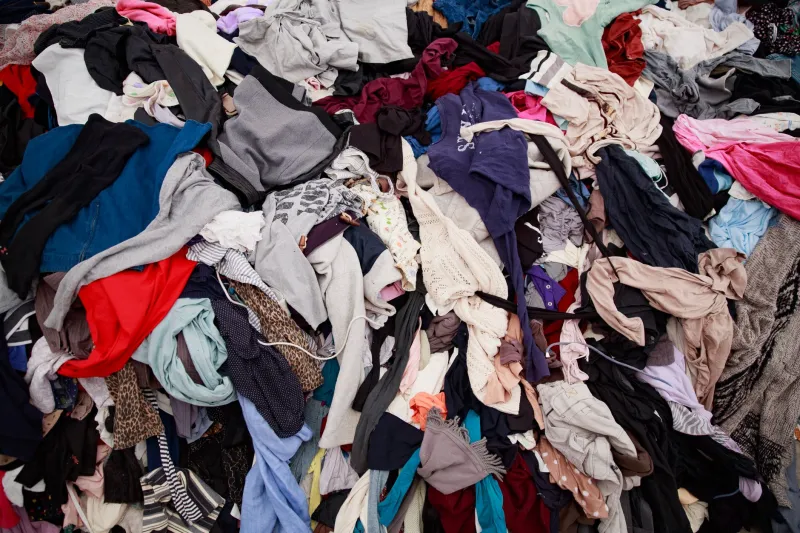
Photo: Kgbo, CC BY-SA 4.0, via Wikimedia Commons
The morning coffee run has a way of producing a small pile of packaging before the day even starts. A cup. A lid. Maybe a sleeve. A straw. A pod if you brew at home. It looks like paper and plastic, so it feels like it should be recyclable. Then the cup goes in the bin, the lid goes in the bin, and everyone feels vaguely fine about it.
Most of the time, that feeling is wrong.
A cup is a sandwich
A standard hot paper cup is not a single material. It is a paperboard shell with a thin plastic lining, usually polyethylene, on the inside. That lining keeps the cup from going soggy. It also makes the cup a composite, which is a fancy way of saying two materials are stuck together.
Some cups use a different lining, including plant-based polylactic acid, often called PLA. Some are marketed as compostable. Some are heavier, some are thinner, and some have a seam that is glued rather than fused. The lid is usually plastic, often polypropylene, sometimes polystyrene. The sleeve is usually paperboard. The straw is plastic or paper, depending on the shop and the local rules.
Each piece has a different recycling story. That is the problem.
Why the curbside bin usually says no
Curbside recycling is built for sorting. Paper goes one way, containers go another. A polyethylene-lined cup is hard to sort because it looks like paper but behaves like a composite. The plastic lining does not separate easily in a standard paper mill. Food residue makes it worse. A cup with an inch of cold brew in the bottom is not a clean fiber stream.
Lids are a separate issue. Many plastic lids are made of a recyclable resin, but they are small, lightweight, and easy to lose in the sorting process. Some programs accept them, some do not. Sleeves are often paper and may be accepted if they are clean and dry, but a greasy or stained sleeve can contaminate a paper load.
Then there is the shape. Cups are designed to stack, nest, and hold liquid. They are not designed to flow through a materials recovery facility in a neat line. Many get flattened, missed, or pulled out as residue.
What recyclable actually means on coffee packaging
A recyclable label means the material has a recycling pathway somewhere. It does not mean your local program accepts it. It does not mean there is a buyer for it this month. It does not mean the cup will be turned back into a cup.
This is the gap between technical recyclability and practical recyclability. A plastic lid may be technically recyclable and still be rejected by your city because the sorting facility cannot handle small items. A compostable cup may be technically compostable and still be rejected by your city because it needs an industrial composting facility that does not exist nearby.
That is why the label alone is not enough. You need the local accepted materials list.
Drop-off and take-back options that actually exist
Some coffee shops collect cups for specialty recycling, but it is not universal. A few cities run pilot programs for cup collection. Some office buildings and campuses have dedicated bins. The best move is to ask the shop what happens to the cups they collect, not just whether they have a bin.
For single-serve pods, the story is similar. A pod is a small plastic cup, often with a foil lid, a paper filter, and coffee grounds. Some brands run mail-back programs or drop-off pilots. Some retailers accept pods for recycling. Many curbside programs do not want them because they are small, composite, and often wet.
If you use pods, check the brand's 2026 recycling page and your local program. If neither accepts them, the pod goes in the trash. Do not put pods in the recycling bin and hope.
The pod problem
The pod is a design challenge in miniature. The plastic cup is recyclable in theory. The foil lid is recyclable in theory. The filter and grounds are compostable in theory. Together, they are a messy little package that most sorting systems are not built to take apart.
Some people separate the components: peel the foil, dump the grounds, rinse the plastic cup, and recycle the pieces where accepted. That works only if your local program actually accepts those pieces. If it does not, you are just making a cleaner piece of trash.
The better answer is to reduce the number of pods you use. A reusable pod, a refillable filter, or a French press is not glamorous, but it avoids the whole question.
Swaps that survive a Monday morning
A reusable cup only works if it is with you. Keep one in the car, one at the office, or one in your bag. A collapsible cup is better than no cup. If you forget, ask for no lid and no sleeve when you are drinking it right away. Sit down if you can. Dine-in mugs are still the quietest recycling program in the room.
At home, a reusable filter or a refillable pod cuts down on single-serve packaging. If you use a disposable cup, empty the liquid before you toss it. Do not stack a wet cup inside another cup and call it tidy.
For offices, ask management to set up a mug station and a clear bin for lids and sleeves if the local program accepts them. A sign that says recyclable is not enough. The sign needs to say what happens in your building.
The honest bottom line
There is no perfect coffee cup. Reusable cups have their own manufacturing footprint, and they only win if you actually use them. But the disposable cup is a hard-to-recycle composite that most curbside programs do not want. The lid is a small plastic item with uneven acceptance. The pod is a mini composite that needs a dedicated program.
The practical move is to reduce first, reuse second, and recycle only where the local rules are clear. That is not a slogan. It is the only version of this story that holds up at the curb.