The Closet Purge Exit Strategy: What to Do With Clothes Too Dead to Donate
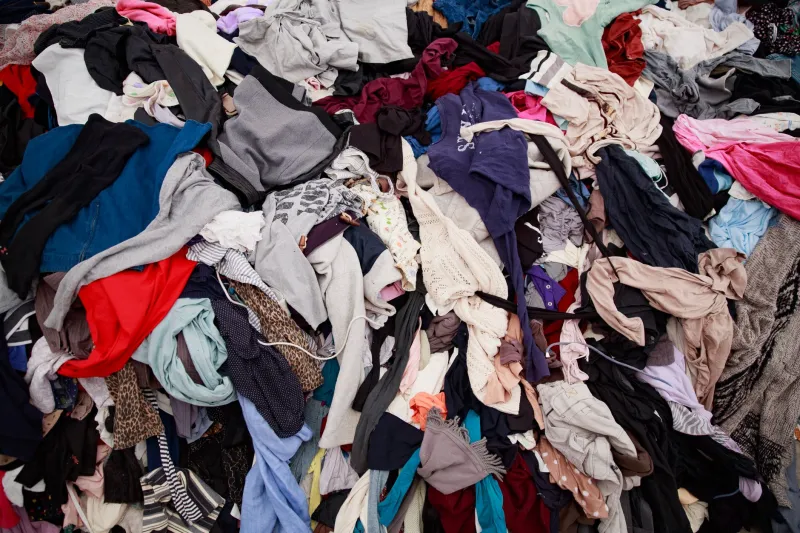
A closet cleanout starts with good intentions: empty the hangers, bag the extras, drop them somewhere useful. Then you hit the bottom of the pile and find the stuff that makes you stall — a shirt with a blown-out armpit, jeans with paint down one leg, and a single sock whose partner vanished sometime during the Obama administration. The donation center may not want it. The trash can feels wasteful. The garage just becomes a holding pen for another year.
Textile recycling exists for exactly this moment, but it works differently than most people assume. You are not just dropping off “clothes.” You are sorting them into lanes: wearable reuse, fiber recycling, and the small remainder that truly belongs in the trash. Get those lanes straight, and the whole purge gets a lot less guilty.
Start With a Three-Pile Sort, Not a Vibes Check
Before you look up a drop-off, sort into three groups.
Wearable donation: Clean, dry, and intact enough that a stranger would consider wearing it. Missing a button is fine. A broken zipper is usually fine. A little fading is fine. Think “would this survive a thrift store rack?” rather than “is this my taste?”
Textile recycling: Worn but clean and dry. Torn tees, stained jeans, holey socks, stretched-out underwear, fabric scraps, old towels, and sheets all fit here. Many textile recyclers sort these for reuse as wiping cloths, insulation, carpet padding, or new fiber. The key word is clean. Mildew and grease are deal-breakers.
Trash: Wet, moldy, heavily soiled with chemicals or bodily waste, or contaminated with something that will ruin a whole bag. Do not donate a bag of clothes that smells like a damp basement and hope for the best.
A quick test helps: if you would not hand it to a friend without a disclaimer, it is not a donation. Put it in the recycling bag instead — or the trash if it is genuinely nasty.
The Orphan Sock and Single-Shoe Reality
This is the part that trips people up. Most donation centers want shoes in pairs. A single sneaker is hard to sell, hard to sort, and easy to turn into litter. Some textile recyclers accept single shoes for fiber or material recovery, but you need to ask before you dump them in a bin. Do not assume.
Orphan socks are similar. A matched pair is easier for a thrift store or textile sorter to handle. A lone sock is not automatically trash, but it should go in a bag clearly marked as textile scrap, not loose in a donation bin where it becomes visual clutter and a sorting headache.
If you have one good shoe and one destroyed shoe, pair the good one with its mate only if the pair is still wearable. Otherwise, treat the single as scrap — and call ahead. Some athletic brands and shoe retailers run worn-sneaker collection programs that accept pairs or singles for grinding into playground surfaces and other materials. Availability varies by store, so check the retailer’s current program before you haul a bag to the mall.
Donation Bins Are Not Magic Holes
That metal bin in the gas station parking lot is not a trash can with a charity sticker. Legitimate donation bins list the organization, contact information, and pickup schedule. They are usually emptied on a route. When they overflow, bags pile up outside, get rained on, and turn into exactly the kind of soggy mess that ends up in a landfill.
If a bin is full, do not leave your bag on the ground. Take it to a staffed donation center instead. Staffed centers are also the better choice when you have questionable items: you can ask whether they accept torn textiles, single shoes, belts, purses, curtains, or stuffed animals. Many charities sell unsold clothing to textile recyclers, which is a normal part of the system — not a scandal. The wearable stuff gets a second life; the rest gets processed.
Retail Take-Back: The Mall as a Drop-Off
A growing number of retailers collect clothes and shoes for reuse or recycling. Some offer a coupon; some just provide a bin. These programs are convenient, but they are not all the same. Ask what happens to the material. Some take-back programs focus on rewearable items; others accept worn-out textiles for fiber recycling. Read the sign, or ask an employee, before you drop a bag of stained jeans into a bin meant for resale.
Also keep non-textiles out. Hangers, plastic wrap, pins, and random trash gum up sorting lines. If the program accepts shoes, make sure they are dry and paired. If it accepts only clothing, do not sneak in a curtain rod.
Prep That Keeps a Bag Out of the Landfill
A little prep goes a long way.
- Wash and dry everything. Textile recyclers need dry material. A damp bag can grow mildew before it reaches the sorting floor.
- Bag by category. Keep wearable donations separate from textile scrap. Label the scrap bag “textile recycling” if you are handing it to a staffed center.
- Remove hangers, pins, and plastic. These are not textile recyclables.
- Pair shoes. Tie or band pairs together. Keep single shoes separate and ask first.
- Keep the bag dry. Store it in the trunk only on drop-off day, not for a week in a rainy forecast.
- Do not mix in trash. One greasy food container can contaminate a whole bag.
Where to Look in Your Area
Start with your county or city recycling coordinator, your local solid waste district, or a transfer station that accepts textiles. Many municipalities run occasional textile drop-off events, especially around spring cleaning season and college move-out. Farmers markets, faith-based rummage sales, and university sustainability offices sometimes host collection days too.
You can also use a directory like Recycle Centers to find nearby drop-off locations and confirm what they accept. Call ahead for odd items. Ask three questions: Do you take worn or torn clothing? Do you accept single shoes? How should I bag it? The answers vary enough that a two-minute call saves a wasted trip.
The single-shoe problem does not have a perfect solution, but it has a practical one: sort honestly, bag cleanly, and send each item to the lane where it can actually do some good. Your closet gets lighter, and the landfill gets a little less than it would have.