Bows, Tape, and Glitter: A Room-by-Room Verdict on the Post-Unwrapping Pile
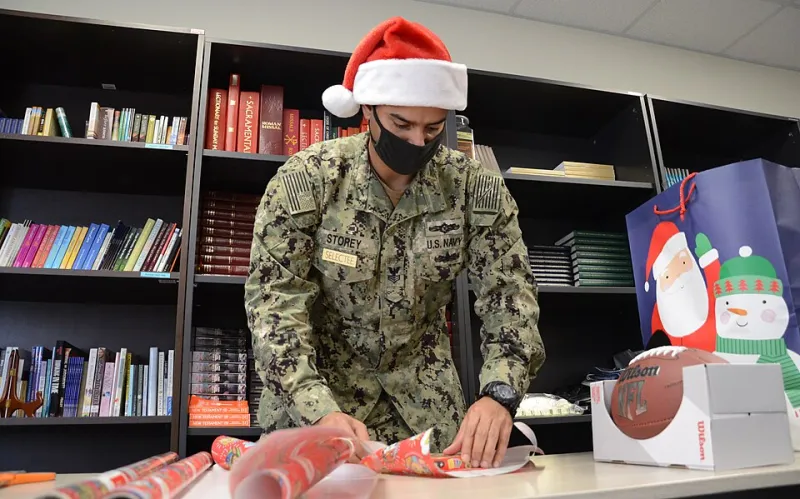
Photo: U.S. Navy photo by Petty Officer 2nd Class Kelly M Agee, Public domain, via Wikimedia Commons
The living room looks like a confetti cannon went off in a paper factory. There are torn sheets of wrapping paper, curled ribbons, half-crushed boxes, gift bags that survived the scrum, and a few plastic things nobody can identify. The instinct is to scoop it all into a trash bag and be done. The better move is a ten-minute audit. Not because every scrap is recyclable, but because a surprising amount of it is reusable, and a few items can quietly wreck a good batch of curbside recycling.
This is not a lecture about saving the planet one bow at a time. It is a sorting plan for the actual morning after. Give every item one of four verdicts: bin, store drop-off, reuse, or trash. Once you have those tags in your head, the pile gets smaller fast.
Start with the paper: the plain-versus-fancy test
Wrapping paper is the biggest source of confusion. Plain, non-metallic paper that tears like paper and has no shiny coating is usually accepted in curbside recycling, but only if your local program takes mixed paper. Check the rules before you trust the bin. The paper should be free of tape, bows, and ribbon.
The paper that fails the test is easy to spot once you know what to look for. Metallic foil sheets, glitter-covered paper, paper with heavy plastic coating, and anything that crinkles like a chip bag should go in the trash. Those materials are not paper anymore in the eyes of a recycling facility. They are a contaminant. If you can scratch the surface and glitter comes off on your finger, that is a trash verdict.
Tissue paper is another common miss. It is thin, it is often dyed, and many programs do not want it in curbside recycling. Reuse it first. Smooth it out, fold it, and keep it in a bag for next year. If it is crumpled beyond use, the trash is usually the honest answer.
Ribbons, bows, and bags: the reuse pile earns its keep
Ribbons and bows are almost never recycling-bin material. The good ones are reusable. Curl them around your hand, tuck them into a shoebox, and label the box. Fabric ribbons and sturdy bows can last for years. The frayed, glitter-shedding, or sticky ones go in the trash.
Gift bags deserve a second life. If the bag is paper-based, has no foil or glitter, and the handles are still attached, flatten it and store it. A gift bag that has been through one holiday is usually good for another. Bags with metallic finishes, heavy lamination, or torn handles are trash unless a local reuse group wants them.
The cardboard layer: flatten, de-tape, and keep it dry
Shipping boxes and product boxes are the easy win. Flatten them, remove as much tape as you can, and keep them dry. A soggy box is a recycling problem. A box with a plastic window or a foam insert needs a little more work. Pull out the foam and plastic film, then recycle the cardboard if your program accepts it.
Watch for the packaging that looks like cardboard but is not. Some gift boxes have a plastic coating, a magnetic closure, or a molded pulp insert that your program may not take. When in doubt, check the local rules. The general rule is simple: clean paper and cardboard are welcome; mixed-material boxes are not.
The plastic film problem: store drop-off, not the bin
Gift wrap often comes with plastic film: shrink wrap around a toy, air pillows from an online order, clear bags around clothing. This stuff is not curbside recycling material in most US programs. It tangles in sorting equipment and turns into a headache.
Many grocery and big-box stores have a plastic film drop-off bin near the entrance. Bags, wraps, and air pillows are often accepted if they are clean and dry. Check the sign on the bin. If the film is dirty, wet, or mixed with paper, trash it. Do not put plastic film in your curbside bin just because it is plastic. That is how a good load becomes a bad one.
The small stuff that causes big problems
Tape goes in the trash. Pull it off paper and boxes when you can, but do not spend twenty minutes chasing every strip. Batteries are a different story. Button batteries and lithium batteries can start fires in recycling trucks and facilities. If a toy, card, or small gadget came with batteries, remove them and take them to a battery drop-off or household hazardous waste site.
Glitter is a trash-only material. It does not recycle, and it does not compost well. The same goes for metallic gift tags, foil-lined envelopes, and shiny ribbon spools. If it sparkles in a way that looks like metal, assume trash unless your local program says otherwise.
A room-by-room closeout
In the living room, sort paper first, then ribbons and bows, then boxes. Keep a reuse bag and a trash bag side by side so you are not making decisions twice. In the kitchen, flatten food boxes and rinse anything that held food. In the entryway, check gift bags and totes for receipts, batteries, or small parts before you store them.
The final step is the curb check. Look at your recycling bin before you roll it out. If it contains glitter paper, ribbon, plastic film, or a battery, pull it out. A clean bin is not about being perfect. It is about not making the whole truck's load worse. The morning-after pile will still be big. It just will not be a mystery anymore.