Pills Out of the Bin: A Household Map for Retiring Old Medications Safely
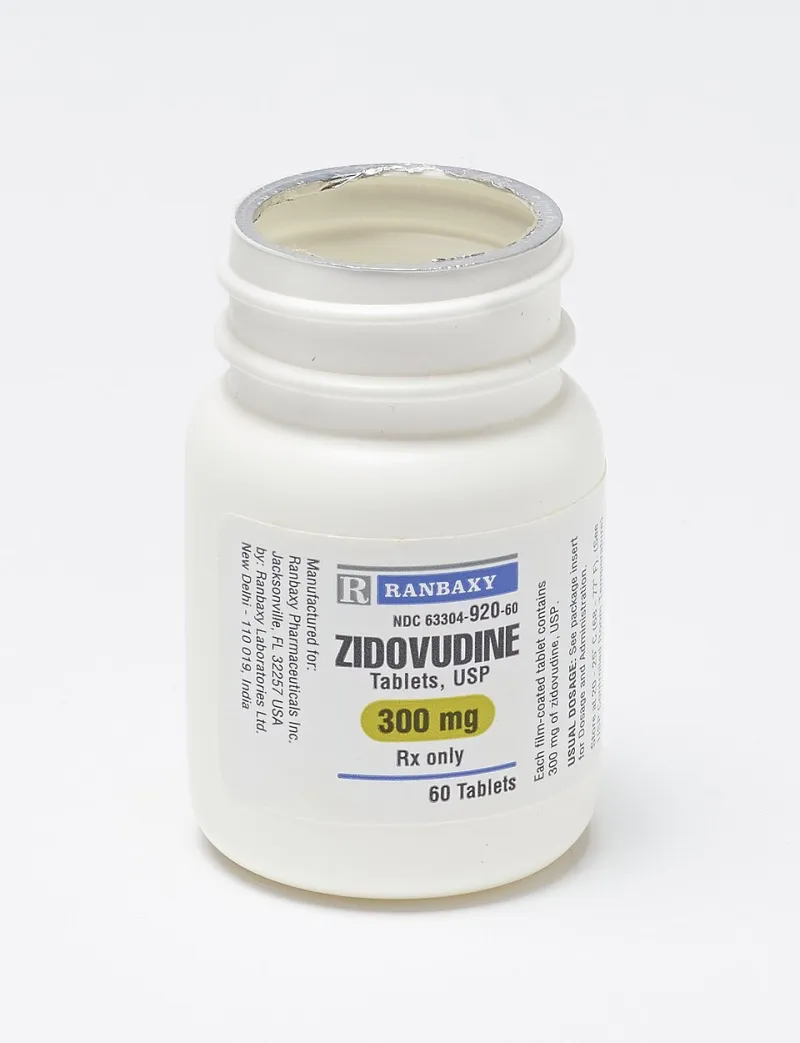
Photo: Ranbaxy (Pharmaceutical company), Public domain, via Wikimedia Commons
The medicine cabinet is a small space with a long memory. There is the antibiotic from a winter cold, the painkiller from a dental procedure, the expired allergy tablets, and a bottle of something that might be for the dog. Eventually, someone decides to clean it out. That is a good instinct. The bad instinct is to dump the bottles into the recycling bin and call it a day.
Medications do not belong in the recycling stream. They are not containers, they are not paper, and they can pose a risk to sanitation workers, wastewater systems, and anyone who finds them. The right disposal route depends on what you have, where you live, and whether the medication is a controlled substance. This is the household map.
First, sort the cabinet with a simple rule
Take everything out and check expiration dates. Keep what you use and what is still in date. Set aside what is expired, unwanted, or no longer prescribed to you. Do not open capsules or crush pills. Do not mix different medications together in a single unlabeled bag. Keep liquids in their original sealed containers. Keep creams and ointments closed. If a bottle is leaking, put it inside a sealed plastic bag and handle it separately.
This is also the moment to check for controlled substances. Opioids, stimulants, and some anxiety medications have specific take-back rules. Do not put them in the trash if a take-back option is available. Do not leave them in a cabinet where someone else can find them. The safest move is a secure drop-off.
The best option: a take-back kiosk
Many pharmacies, police departments, and sheriff's offices have secure medication drop boxes. These are usually open during business hours, and they accept pills, patches, and some liquids in sealed containers. The kiosk is a good first call because it keeps the medication out of the trash and out of the water supply.
Call ahead before you load the car. Not every pharmacy has a kiosk, and the ones that do may have limits on liquids, sharps, or controlled substances. Ask what they accept. Some locations want medications in sealed bags. Some want original containers with labels removed. Some do not take liquids at all. A two-minute phone call saves a wasted trip.
DEA collection events and mail-back envelopes
The Drug Enforcement Administration runs periodic national prescription drug take-back events, usually in the spring and fall. These events are a good option for controlled substances and for households with a large backlog. Check the DEA's take-back locator for dates and nearby sites. Do not assume the event is happening every weekend. It is not.
Mail-back envelopes are another route. Some pharmacies and law enforcement agencies provide prepaid envelopes that let you send pills to an approved disposal facility. They are convenient for people who cannot get to a kiosk. Read the instructions carefully. Most envelopes are for pills, not liquids or sharps. Keep the envelope sealed and send it promptly. Do not put it in your curbside recycling bin, even if the envelope looks like paper.
When the trash is the last resort
The FDA has a small list of medications that should be flushed because they are especially dangerous if someone finds them. For most other medications, flushing is not the default. If no take-back option is available, the trash can be a last resort, but it needs to be done carefully.
Remove the pills from their original container. Mix them with something unappealing, such as used coffee grounds, dirt, or cat litter. Seal the mixture in a plastic bag or a sturdy container. Put that container in the household trash. Scratch out or remove the prescription label so your name and medication information are not visible. Keep liquids sealed and wrap them separately so they do not leak. Do not put loose pills in the recycling bin or pour them down the drain.
What never goes in the recycling bin
Loose pills, liquid medication, syringes, and sharp objects never go in the recycling bin. Empty pill bottles are a different question. Many curbside programs accept empty plastic prescription bottles if they are clean and the caps are handled according to local rules. But an empty bottle is not the same as a bottle with pills inside. If there is medication in it, it is not recycling.
Sharps are their own category. Needles and lancets should go in a sharps container or a heavy-duty plastic container with a screw-top lid, and then to a designated sharps drop-off or mail-back program. Do not put them in a medication kiosk unless the site says it accepts them. Do not put them in the recycling bin.
Build a two-minute household routine
Keep a small bag or bin for medications that are ready to go. When you fill a new prescription, check the old bottle. If it is expired or discontinued, put it in the bag. Once a month, check the bag and decide whether it is a kiosk trip or a mail-back day. Keep controlled substances locked up until you can drop them off. Keep the label on the bottle until you are ready to dispose of it, then remove or scratch it out.
The medicine cabinet is not a recycling center. It is a small pharmacy, a first-aid station, and sometimes a forgotten shelf. Clearing it out is a good habit. Doing it through a legitimate take-back route is the part that keeps everyone safer.