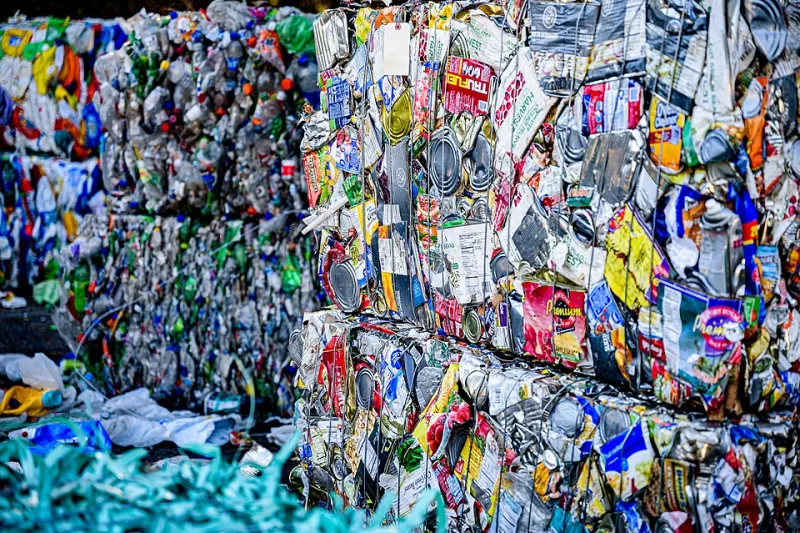
Pocket Change from the Recycling Bin: How Bottle Deposits Actually Work (and Where They Pay the Most)
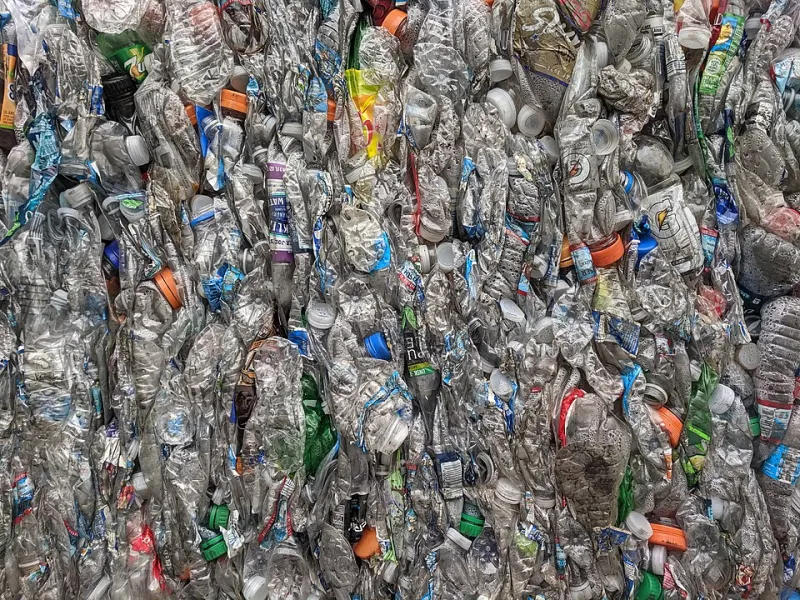
Photo: Grendelkhan, CC BY-SA 4.0, via Wikimedia Commons
If you've ever crossed a state line with a trunk full of soda cans, you already know the strange truth about American recycling: whether your empties are worth money depends entirely on geography. In Michigan, that case of beer might net you a dollar. Drive south to Ohio, and it's worth exactly zero. Welcome to the wonderfully inconsistent world of the bottle bill.
What Is a Bottle Bill, Anyway?
A bottle bill — the industry term is a container deposit law — adds a small refundable fee to the price of every beverage container sold. When you buy a can of soda in a deposit state, you're not paying extra; you're putting down a refundable deposit. Return the empty container to a redemption center or retailer, and you get your money back.
The idea dates back to Oregon in 1971, when the state passed the first such law in the nation. The results spoke for themselves: deposit states consistently see return rates of 60 to 90 percent for covered containers, while non-deposit states typically hover far lower. Money, it turns out, is a powerful motivator.
The States That Pay
Ten states currently have container deposit programs, and the amounts are all over the map:
| State | Deposit per Container | Notes |
|---|---|---|
| California | 5¢ (most containers) | Higher rate for containers under 24 oz; wine boxes and pouches included |
| Connecticut | 10¢ | Raised from 5¢ in 2023 |
| Hawaii | 5¢ | Plus a separate non-refundable fee |
| Iowa | 5¢ | Retailers can charge a small handling fee |
| Maine | 5¢ (15¢ for wine/liquor) | One of the widest product lists |
| Massachusetts | 5¢ | Covers beer, soda, and carbonated drinks |
| Michigan | 10¢ | Highest standard rate; famously high return rates |
| New York | 5¢ | Expanded to cover more beverage types |
| Oregon | 10¢ | Raised from 5¢ in 2017 |
| Vermont | 5¢ (15¢ for liquor) | Recently expanded coverage |
Notice the pattern? The 5¢ states passed their laws decades ago and never adjusted for inflation, while newer or updated programs have moved to a dime. Maine and Vermont add a wrinkle: liquor bottles earn triple.
Why the Price Difference?
Here's the economics lesson hiding in your recycling bin. A nickel in 1971 had the purchasing power of roughly 40 cents today. States that never updated their deposits watched their return rates slowly sag as the incentive lost value. Oregon's fix was simple — bump it to 10 cents — and return rates rebounded almost immediately.
There's also the question of what counts as a "covered container." Older bills were written for beer and soda cans. Modern versions increasingly include water bottles, juice containers, and sports drinks, because the beverage market shifted and the laws had to catch up. California's program is famously sprawling, covering everything from aluminum to boxed wine.
Beyond Bottles: E-Waste That Pays
Deposits aren't the only way to turn trash into cash. Several states run e-waste recycling programs where manufacturers foot the bill, and private recyclers will pay for certain materials outright:
- Aluminum beyond beverage cans: Clean aluminum siding and foil fetch real money at scrap yards.
- Copper wiring and pipes: Among the most valuable scrap metals around — check your local scrap prices.
- Old electronics: Some certified recyclers pay for working or repairable laptops, phones, and tablets.
- Car batteries: Many auto parts stores pay a core credit or cash for dead lead-acid batteries.
Getting the Most from Your Empties
A few practical tips before you haul your stash to a redemption center:
- Keep containers intact. Crushed cans are often rejected because sorting machines can't read them.
- Leave labels on. Glass bottles especially need their labels to verify the deposit brand.
- Sort by material. Separating aluminum, plastic, and glass before you arrive speeds everything up.
- Check the per-day limits. California, for instance, caps how many containers you can redeem per trip at some centers.
- Shop around. Redemption centers, reverse vending machines, and retailer drop-offs may offer different convenience levels — and some states let retailers refuse out-of-state containers.
If You Live in a Non-Deposit State
Don't assume your recyclables are worthless. Scrap metal dealers pay by the pound for aluminum, and community fundraisers often run can drives that pool everyone's haul for charity. You can also use our directory at Recycle Centers to find buy-back operations near you — some private recyclers purchase aluminum and e-waste regardless of what state you call home.
The bigger picture? Deposit laws aren't really about pocket change. They're about building a habit. Once people learn that their containers have value, they stop treating them like trash — and that mindset spills over into everything else they throw away.
So the next time you finish a soda, ask yourself one question: is this can worth a dime? In ten states, the answer is yes — literally.