Follow the Truck: The Surprising Journey of Your Curbside Bin
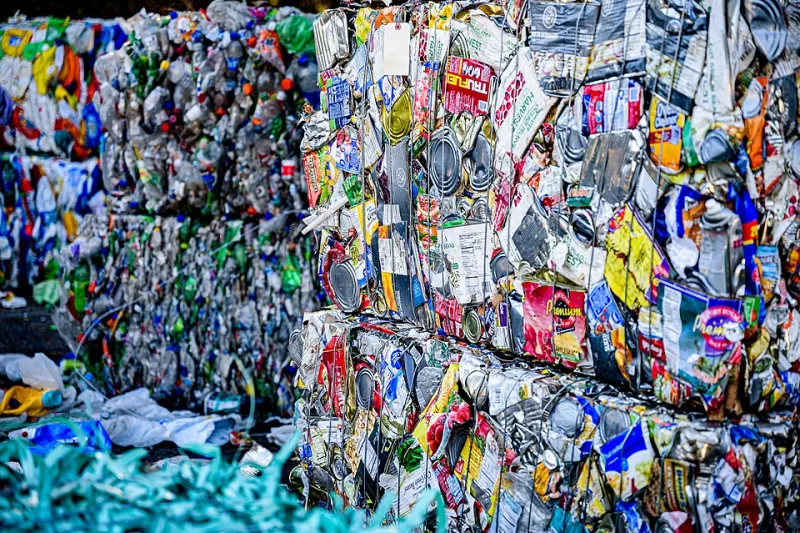
Photo: Greenville, NC, Public domain, via Wikimedia Commons
You drag the bin to the curb, the truck empties it, and that's the last you think about it. But the story of your recycling is just getting started — and it's a lot more interesting (and more fragile) than most people realize.
Stop One: The Collection Truck
Contrary to a popular myth, most trucks don't have separate compartments for paper, plastic, and glass. In the vast majority of US cities, curbside collection is "single-stream" — everything gets tossed together in one hopper. That convenience is great for participation rates, but it's also where the first problems begin. Glass bottles break and shard into paper streams. Aluminum cans get crushed under heavier materials. The clock starts ticking on quality the moment your items hit that truck.
Stop Two: The Materials Recovery Facility (MRF)
Pronounced "murf" by the people who work in one, the materials recovery facility is where the real magic — and the real triage — happens.
Your mixed recyclables are dumped onto a series of fast-moving conveyor belts and run through a gauntlet of technology:
- Pre-sorters pull out plastic bags and large cardboard by hand, since both can jam the machinery.
- Disc screens vibrate to separate flat items (cardboard, paper) from 3D containers (cans, bottles).
- Magnets snatch out steel and tin.
- Eddy currents use magnetic pulses to launch aluminum off the line.
- Optical sorters scan plastics at high speed and blast jets of air to sort them by resin type.
Human workers still stand along the belts, pulling out contamination: garden hoses, diapers, batteries, tangled holiday lights. It's dirty, fast-paced work, and the better we sort at home, the safer and easier it is for them.
Stop Three: The Markets
Once sorted, materials are baled into massive cubes — think refrigerator-sized bricks of crushed cans or flattened cardboard — and shipped to buyers. Paper mills in Wisconsin and Georgia turn old cardboard into new boxes. Aluminum gets melted down (using about 95% less energy than making it from raw ore). Plastics are shredded, washed, and pelletized, often heading to manufacturers making everything from carpet to car parts.
Here's the uncomfortable truth: if there's no buyer, there's no market. Since China's 2018 import restrictions shook up the global recycling trade, US facilities have had to get pickier. Low-quality loads — the ones stuffed with food residue and wishful thinking — can cost a MRF money to process.
Where Things Go Wrong: Contamination
Contamination is the dirty word of the recycling world. The biggest offenders:
- Food and grease. A half-empty peanut butter jar can spoil an entire batch of paper. Rinse it out — it doesn't need to be spotless, just free of gunk.
- Tanglers. Hoses, cords, chains, and plastic bags wrap around sorting equipment, forcing costly shutdowns.
- Lithium batteries. These are the number one cause of fires at recycling facilities nationwide. Never in the bin.
- "Aspirational recycling." Tossing something questionable into the bin and hoping for the best. It almost always makes things worse, not better.
One contaminated load can downgrade perfectly good recyclables into landfill-bound waste. It's not dramatic — it's a slow leak of value.
How to Make Sure Your Stuff Actually Gets Recycled
The good news: a few small habits make a big difference.
- Know your local rules. Recycling isn't one-size-fits-all. What's accepted in Portland may not fly in Phoenix. When in doubt, check a recycling center directory for guidance on your specific materials.
- Empty, clean, dry. That's the golden trio for containers.
- Don't bag it. Loose items only — bagged recyclables typically go straight to the landfill because bags can't be opened safely on the line.
- Recycle the problem items separately. Electronics, batteries, plastic film, and hazardous waste have dedicated drop-off points for a reason.
- When in doubt, find out. A quick search on Recycle Centers can tell you exactly where that weird item needs to go — often a drop-off location minutes from your house.
The Bottom Line
Your recycling doesn't vanish after the truck drives away. It goes on a real journey with real economics, real workers, and real consequences. Treat your bin like the front end of an industrial process — because it is one — and your cardboard, cans, and bottles stand a genuinely good chance at a second life.