Nice Try, Bin: 7 Items You're Tossing Wrong and Where They Actually Belong

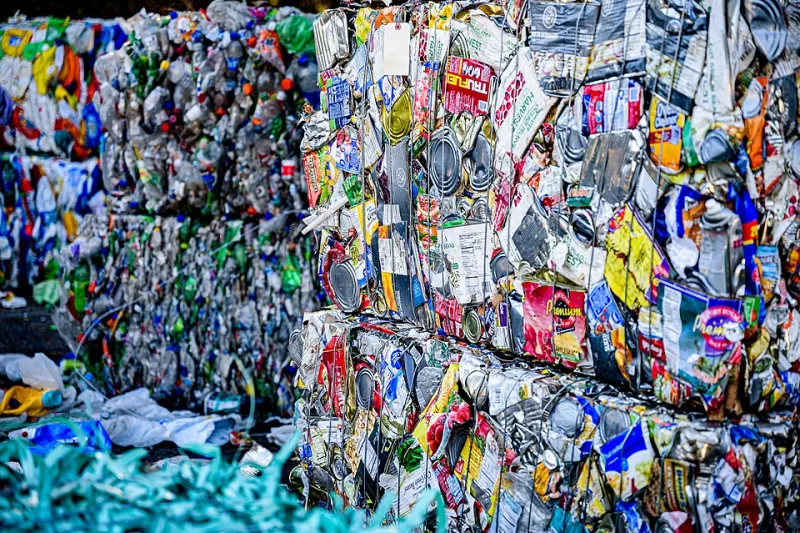
Photo: Westbury, Gerald Wallace, CC0, via Wikimedia Commons
Look, we've all done it. Stood at the bin, item in hand, and made a judgment call based on vibes. But recycling isn't a guessing game — and some of the most common "good citizen" moves are actually sabotaging the system. Here are seven of the biggest offenders, and where that stuff should really go.
1. Greasy Pizza Boxes
The rule used to be simple: never. Now it's more nuanced. Clean, dry pizza boxes are totally fine in most curbside programs — cardboard is one of the most valuable recyclables out there. But the grease-soaked bottom half? That's a contaminant. Grease ruins paper fibers during the pulping process.
The fix: Tear off the clean top and recycle it. Compost or trash the greasy bottom. Cheese crusts go in the food waste, not the bin.
2. Plastic Bags and Film
This is the classic. Grocery bags, bread bags, zip-top bags, bubble wrap — none of it belongs in curbside bins. Plastic film is public enemy number one at sorting facilities; it wraps around the rotating machinery like a boa constrictor, and crews have to shut down the whole line to cut it out. It happens multiple times a day at facilities across the country.
The fix: Most grocery chains — think Kroger, Safeway, Target, Walmart — have collection bins near the entrance for plastic film. Bundle your bags together and drop them off next shopping trip.
3. Old Phones, Laptops, and Cables
E-waste is the fastest-growing waste stream in America, and the drawer of retired chargers isn't going to recycle itself. Electronics contain valuable metals like copper, silver, and palladium — plus stuff you really don't want leaching into soil, like lead and mercury.
The fix: Search a recycling center directory for "electronics" and you'll usually find dedicated e-waste drop-offs nearby. Many office supply stores and electronics retailers also take back devices, and manufacturer trade-in programs can even put a little money back in your pocket.
4. Batteries of Every Kind
Tossing batteries in the trash or recycling bin isn't just wasteful — it's a fire hazard. Lithium-ion batteries from phones, vapes, and power tools are the leading cause of fires at waste facilities. One punctured battery in a compactor can ignite an entire load.
The fix: Hardware stores, some libraries, and household hazardous waste (HHW) facilities accept batteries. Tape the terminals with clear tape before dropping them off, and keep them out of the bin entirely.
5. "Compostable" and "Biodegradable" Plastics
Those PLA cups from the coffee shop sound great until you learn they only break down in industrial composting facilities — not in your backyard pile, not in the landfill, and definitely not in the recycling stream, where they contaminate conventional plastic batches.
The fix: If your city has a commercial composting program, those items can go in the green bin. Otherwise, check with a local drop-off location about compostable acceptance. When in doubt, reuse or skip them.
6. Scrap Metal and Random Household Junk
That rusted patio umbrella, the dead lawnmower, the pile of copper pipe from your bathroom reno — none of this goes in the bin, but that doesn't mean it's destined for the dump. Scrap metal has real value, and scrap yards will often pay you for it.
The fix: Search "scrap metal" in a recycling center directory and you'll likely find a yard that takes everything from aluminum siding to old appliances. Some even offer pickup for bulky items.
7. Clothing and Textiles
Americans throw away roughly 100 pounds of textiles per person every year, and nearly all of it could have a second life. Even worn-out clothes and mismatched socks can be downcycled into insulation, rags, or industrial wiping cloth.
The fix: Donation centers take wearable items, and many communities have textile drop-off bins specifically for unwearable stuff. Some recycling centers accept textiles too — check the directory before you bag them up.
The One-Stop Trick: Use a Directory
Here's the pattern in all seven cases: the item doesn't belong in the bin, but it does have a home. The hard part is knowing where. That's the whole point of a recycling center directory — type in your zip code and the material, and you get a list of verified drop-off locations near you, from grocery store film bins to full-service e-waste facilities.
Recycling right isn't about being perfect. It's about knowing which five minutes of effort — a quick rinse, a separate errand, a directory search — actually move the needle. Your bin will thank you. So will the folks untangling plastic bags at the sorting facility.