Vet It Before You Haul It: The Pre-Load Checklist for Choosing a Trustworthy Recycling Center
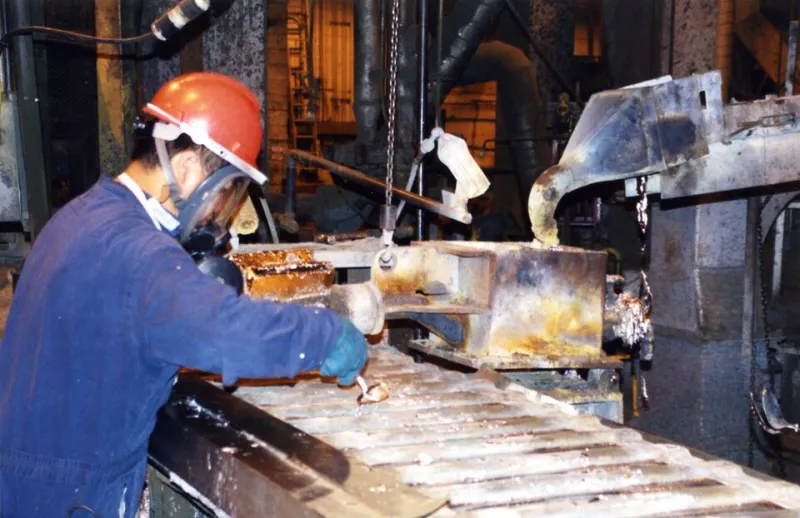
Photo: National Institute for Occupational Safety and Health (NIOSH) from USA, Public domain, via Wikimedia Commons
Loading up the truck and driving across town only to get turned away at the scale — or worse, paid a fraction of what you expected — is a rite of passage in the recycling world. It's also completely avoidable. A few minutes of vetting before you haul can save you fuel, frustration, and in some cases, real money.
Here's the checklist we recommend running through before you commit to any recycling center, whether it's a scrap yard paying cash for aluminum or a community drop-off handling mixed materials.
The Ten Questions to Ask (or Answer Yourself)
1. Is the accepted materials list posted — and current? A legitimate facility tells you exactly what it takes: which plastics by resin number, whether glass is on the menu, if they need electronics separated. If the list is vague, missing, or contradicts what the person at the gate tells you, walk away or call ahead.
2. Are hours and pricing publicly available? Scrap yards especially should post or quote rates. "It depends on the day" is not an answer; markets fluctuate, but reputable operators can give you a current range.
3. How do they weigh materials? Certified scales matter if you're selling scrap metal by the pound. Ask whether the scale is state-certified — most states require regular inspection — and whether the weight display is visible to you during the transaction. If you can't see the readout, that's a problem.
4. What's the payment structure? Cash on the spot is common and legal for non-ferrous metals in most states, but many states now require ID and hold periods for paid scrap transactions to deter theft. A facility that's cagey about payment rules or pushes cash-only with no paperwork is worth scrutinizing.
5. Do they explain fees before you unload? Some materials — old TVs, propane tanks, mattresses — carry disposal fees. A good center tells you upfront. A sketchy one waits until your load is on their floor, when you have zero leverage.
6. Can they tell you where materials go? You don't need a supply chain audit, but a solid operator can generally name their downstream processors or at least describe the next step. "It all goes in the same truck as the trash" is a red flag.
7. Are there certifications or affiliations? For electronics, look for R2 or e-Stewards certification. For general operations, check whether they're registered with your state's environmental agency. Most states let you verify permits online in under five minutes.
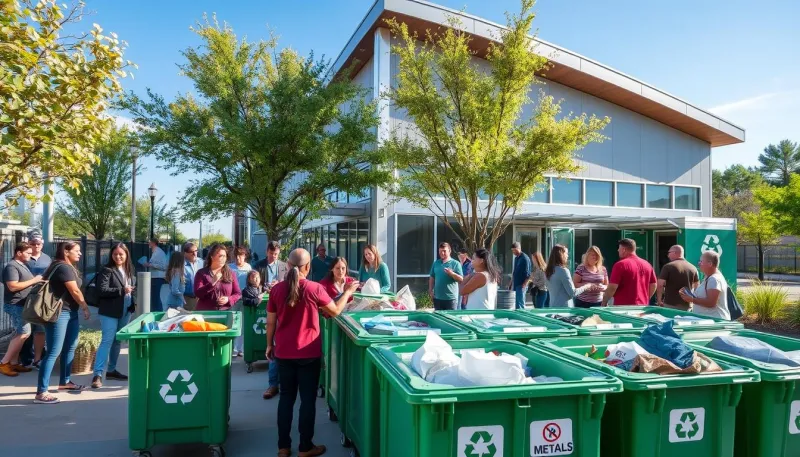
8. Is the site itself maintained? You can learn a lot from a walk around. Organized piles, clear signage, and staff who answer questions signal professionalism. Standing water, scattered hazardous waste, and no visible workers suggest the opposite.
9. What do recent reviews actually complain about? Read beyond star ratings. A pattern of complaints about shorted weights, bait-and-switch pricing, or rudeness at the scale tells you more than a five-star review from the owner's cousin.
10. Do they say "accepted" when they mean "conditionally accepted"? This is the big one. A sign that says "appliances accepted" might mean refrigerant-free units only. "Electronics" might exclude CRT televisions. Always ask what conditions apply to your specific items before you load them.
When the Sign and the Gate Disagree
Every recycler eventually hits this moment: the website says one thing, the person at the gate says another. When it happens, the gate usually wins — but don't just accept it. Ask for the discrepancy in writing or take a photo of the posted list. If a facility routinely advertises materials it won't actually take, that's a customer-service failure at best and a bait tactic at worst.
Your best defense is a two-minute phone call. Describe exactly what you have — brands, quantities, condition — and ask what will happen to each item and what it will cost. Get a name if you can. Reputable centers expect these calls and answer them without irritation.
A Quick Word on Fees
Fee structures vary wildly by material and region. Scrap metal usually pays you; electronics and tires usually cost you; and some centers charge a flat gate fee for any load. Knowing the difference before you go prevents the classic mistake of driving forty minutes to discover your "free" drop-off charges twenty-five dollars for the monitor riding shotgun.
The Bottom Line
A great recycling center makes you want to come back: clear rules, honest scales, staff who know their stuff. A sketchy one makes you feel like you're being handled. Trust that instinct, ask your questions up front, and keep a shortlist of two or three vetted facilities in your area. Your future self — standing in the driveway with a trunk full of sorted recyclables — will thank you.