Voices From the Scale: What Recycling Center Workers Wish You Knew Before You Show Up
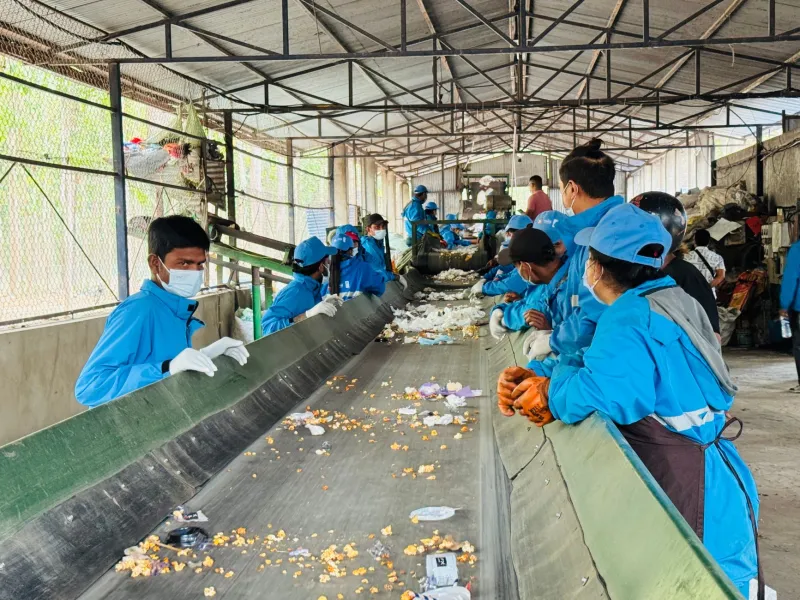
The line starts forming before the sun comes up. At drop-off centers from Ohio to Oregon, the first customers of the day roll in around 5 or 6 a.m. — contractors with truck beds full of scrap metal, retirees hauling a season's worth of cardboard, early risers squeezing a recycling run in before work.
The people who staff these places see all of it. And after talking with attendants and sorters at several facilities across the country, we learned something worth sharing: they have a completely different perspective on your trash than you do. Here's what they wish you knew.
Your "Recycling" Is Their Workday
To you, that trunk full of stuff is a chore you've been putting off for three weekends. To the attendant at the scale, it's Tuesday.
Workers notice patterns fast. Cardboard spikes after the holidays and again in late summer when college kids move out. Electronics pile up whenever a new phone launches. And every spring, someone shows up with a lawnmower still full of gasoline.
"People assume we know what everything is just by looking," one sorter told us. "Half my job is telling someone that the thing they're holding is e-waste, not scrap, and sending them to the other side of the yard."
That's a good reminder for all of us: a recycling center isn't one big pile. It's a series of streams — metals, electronics, paper, plastics, hazardous materials — and your visit goes faster when you've sorted before you arrive.
The Mistakes That Make Workers Groan
Ask any attendant about repeat offenders and you'll get an earful. The usual suspects:
- Batteries loose in boxes. Lithium-ion batteries are the number one fire risk at sorting facilities. Taping the terminals and keeping them separate isn't a suggestion — it's the difference between a normal day and an evacuation.
- "Free" items still full of stuff. Paint cans that slosh. Propane tanks that haven't been emptied. A gas grill that still has the tank attached. If it holds fuel or chemicals, it needs to be drained or handled as hazardous waste first.
- Plastic bags stuffed with other recyclables. Bags tangle the machinery at material recovery facilities. Workers end up pulling them out by hand — sometimes mid-machine.
- The mystery bin. Everyone's brought one: a trash bag of unidentifiable stuff. Workers can't accept what they can't identify, and you'll end up sorting it in the parking lot anyway.
None of these make you a bad person. But a little prep — a quick sort at home, batteries taped, liquids drained — earns you genuine goodwill at the scale.
Etiquette Tips From the People Behind the Counter
The workers we spoke with weren't complaining for the fun of it. They had concrete advice:
Check hours and accepted materials before you drive. Not every center takes appliances, and some have separate days for hazardous waste. Five minutes on the center's website (or a quick search in our directory) beats a 40-minute drive to a locked gate.
Arrive sorted and labeled. Separate boxes for aluminum, cardboard, and electronics make unloading faster for everyone — including the person in line behind you.
Ask before you climb into a dumpster. Some centers allow scavenging for metal or bottles; many don't, for liability and safety reasons. Just ask.
Be patient during the busy seasons. Post-holiday weekends and spring cleaning season get slammed. The attendant at the scale isn't moving slowly to annoy you — they're making sure your load is weighed and routed correctly.
The Surprising Stuff That Shows Up
For every truckload of flattened boxes, there's a story. Workers told us about a man who brought in a 1970s jukebox for the copper inside, a family who turned dropping off cans into a weekly grandkids' allowance program, and the eternal mystery of the person who leaves perfectly good furniture next to the scrap bin with a "FREE" sign.
There's a quiet pride in the work, too. Sorters know they're the last line of defense between a mountain of reusable material and the landfill. When someone shows up with a clean, sorted load, it makes their job easier and keeps more material out of the ground.
Join the 5 A.M. Club (or Don't — Just Show Up Prepared)
You don't need to be there at dawn to be a good drop-off customer. You just need to treat the trip like what it is: a transaction with real people who process hundreds of loads a week.
Sort at home. Tape your batteries. Check what's accepted. Ask questions when you're unsure. And maybe, once in a while, thank the person at the scale — they've seen what your trash looks like from the other side, and they're keeping it moving somewhere better than a landfill.