Read the Fine Print Before You Load the Trunk: The Rules Nobody Mentions Until You're at the Gate
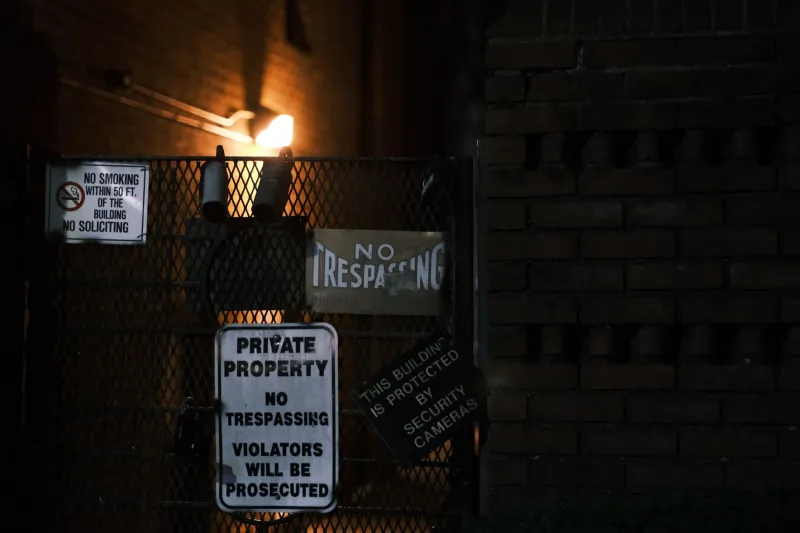
You've sorted everything. Cardboard flattened, cans rinsed, electronics boxed up neatly in the trunk. You drive forty minutes to the nearest drop-off center, pull up to the gate, and get hit with a sign: Proof of county residency required. No out-of-state plates.
Welcome to the least glamorous part of recycling: the fine print.
Why Recycling Centers Have Rules at All
It's easy to assume a recycling center is a public service that takes whatever you bring, whenever you show up. Some are. But plenty of municipal facilities are funded by local taxes or state grants that only cover residents of a specific city, county, or service district. When someone from outside the area dumps a truckload of material, the local government eats the processing cost.
That's why the rules exist — not to keep recyclables out, but to keep the budget balanced. Once you understand that, the fine print starts making sense. And knowing the common rule categories means you can spot problems before they cost you a Saturday morning.
The Five Rules That Trip People Up Most
1. ID and residency requirements. Many county-run facilities check a driver's license or utility bill. Some accept anyone from the county; others only serve specific townships. A handful of states — Michigan and California among them — have faced issues with out-of-state material flooding deposit systems, so some sites scrutinize out-of-state plates more closely than you'd expect.
2. Proof-of-deposit rules for bottles and cans. In bottle bill states like Oregon, New York, and Massachusetts, you generally can't redeem containers purchased elsewhere. Some redemption centers now ask where you bought the containers or limit how many you can redeem per day without a commercial account.
3. Load size limits. Residential drop-off sites often cap loads at a certain weight or require pickups with trailers to use a separate commercial entrance — or schedule an appointment. Show up with a full pickup bed at a site that caps residential loads at a car trunk's worth, and you may be turned away.
4. Seasonal and split hours. Some facilities close Sundays and Mondays. Household hazardous waste sections frequently run one or two days a month. Yard waste drop-offs may be seasonal only. The main gate being open doesn't mean the section you need is.
5. Material restrictions. That 'all recyclables accepted' sign often hides asterisks: no glass at the county transfer station, no TVs without a fee, no styrofoam ever, no shredded paper unless bagged.
The Five-Minute Phone Call That Saves an Hour
Before any first trip to a new center, call. Websites are notoriously outdated; the person at the front desk knows the real deal. Ask these exact questions:
- 'What do I need to show to drop off today?' — This surfaces ID, residency, and proof-of-deposit requirements in one question.
- 'Do you currently accept [your material]?' — Name the specific items. 'Cardboard,' 'flat-screen TVs,' 'paint.' Policies change constantly.
- 'Is there a fee or limit for that item?' — Electronics and appliances often carry per-item charges. Better to know at home than at the scale.
- 'What are your hours for that material specifically?' — Not the whole facility — the section you need.
- 'Is there anything you won't take that people commonly bring?' — This one question uncovers surprises no website lists.
If you can't reach a human, check the facility's social media page — county recycling departments are surprisingly active on Facebook, and closures get posted there first.
Build a Pre-Trip Checklist
Once you've made the call, run this quick mental list before loading up:
- ID or utility bill in the glovebox (even if you think you won't need it)
- Materials sorted and separated — most centers require it before you arrive
- Bottles and cans from deposit states kept separate from non-deposit containers
- Fees in cash — smaller facilities don't always take cards
- A tarp or lids for loose material; some sites won't accept uncovered loads
When You Get Turned Away Anyway
It happens. Rules change, staff miscommunicates, or you missed something. Don't dump material at the gate — that's illegal dumping, and yes, people get fined for it. Instead, ask the attendant for the nearest alternative: private scrap yards, retailer take-back programs (Best Buy, Staples, and home improvement stores accept many electronics), or the next county's facility, which may have looser residency rules.
The fine print isn't designed to frustrate you — it's just rarely explained. Five minutes on the phone turns a mystery into a plan, and your trunk full of recyclables actually ends up recycled.