After the Fryer Cools: A No-Mess Plan for Holiday Cooking Oil
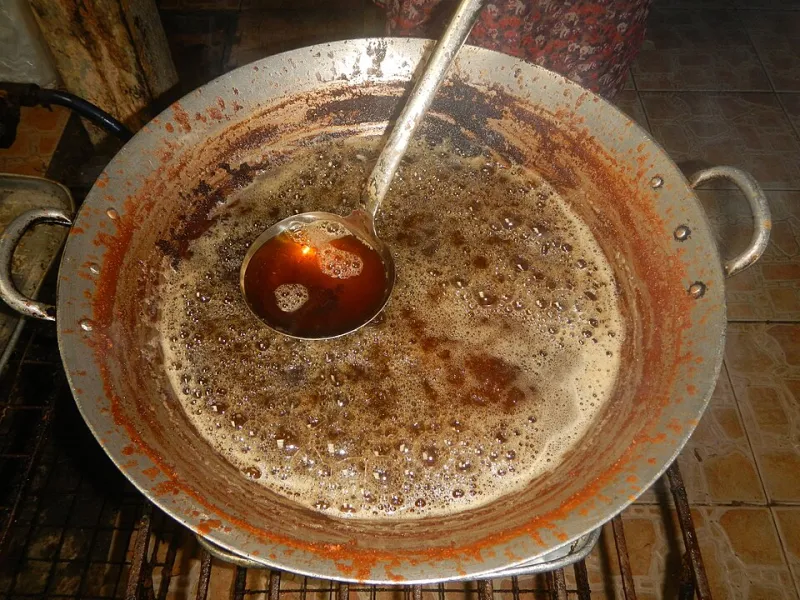
Photo: Judgefloro, CC0, via Wikimedia Commons
Thanksgiving frying has a way of making the kitchen feel like a victory lap — right up until you are staring at a gallon of cool, cloudy oil and wondering what happens next. The turkey was great. The oil is not a souvenir. And it definitely does not belong down the drain, in the yard, or in the curbside bin.
If you are hosting Thanksgiving 2026 or just dealing with the aftermath of a neighborhood fry session, this is the plan to have ready once the fryer cools. It is not complicated, but it does take a little forethought. The goal is simple: keep the oil out of pipes, keep pests out of the garage, and get the stuff to a place that actually knows what to do with it.
The Drain Is Not a Disposal Method
It is tempting. The oil is liquid, the sink is right there, and the whole mess would disappear in about ten seconds. Please do not do it. Cooking oil cools as it travels through plumbing, and when it cools, it thickens. In a drain, that means it coats pipe walls, grabs onto wipes and food scraps, and starts building a clog that can turn into a backup — or a very expensive visit from a plumber.
Municipal sewer systems deal with fatbergs for the same reason. Grease that leaves your kitchen through the drain does not vanish; it just relocates the problem downstream. Even small amounts add up when every house on the block does it. Hot water and dish soap do not solve this. They might move the oil a few feet farther, but they do not make it safe for the sewer.
Where Used Cooking Oil Actually Goes
Used cooking oil has real value when it is handled correctly. The two most common destinations are a recycling center or transfer station that collects used cooking oil, and a biodiesel drop-off that takes liquid fats for fuel production. Some municipalities run household hazardous waste events or permanent HHW sites that accept cooking oil. Others have a dedicated tank at the recycling center, right next to the motor oil collection — but those are not always the same thing. Do not assume the motor oil tank takes turkey grease unless the signage says so.
At Recycle Centers, the directory is a good place to start, but the golden rule is to call before you haul. Ask three questions: Do you accept used cooking oil? Is there a limit on how much? What container should it arrive in? A site that takes a quart of bacon grease may not want five gallons of fryer oil, and a biodiesel drop-off may have specific hours or a minimum quantity. A two-minute phone call saves a wasted trip with a sloshing jug in the trunk.
Curbside recycling programs almost never accept liquid cooking oil. Do not put it in the blue bin, and do not put it in a plastic bottle and hope for the best. It can leak, contaminate paper and cardboard, and make a mess for the people sorting the truck.
Pack It Like You Mean It
First, let the oil cool completely. This is not a suggestion. Oil that is still warm can warp thin plastic, soften a container seam, or burn you if it sloshes. Give it a full night if you can.
Once it is cool, funnel it into a leak-proof container with a screw-top lid. The original fryer oil jug is ideal if you still have it. A sturdy HDPE jug — the kind that held juice or vinegar — works too. Avoid glass, because a heavy glass jar in a trunk is one speed bump away from a disaster. Avoid flimsy takeout containers and plastic bags. Label the container clearly with a marker: 'USED COOKING OIL.' That label matters if you are dropping it at a recycling center or handing it to a volunteer at an HHW event.
Leave a little headspace at the top. Oil expands and moves, and a container filled to the brim is a container waiting to leak. Wipe the outside with a paper towel, tighten the lid, and set the container upright in a plastic tote or crate lined with an old towel or absorbent pad. That crate is your insurance policy for the drive. Keep it in the trunk or the back of an SUV, not on a passenger seat where it can tip.
If you have a lot of oil, split it into smaller containers rather than one enormous jug. Smaller containers are easier to lift, less likely to spill, and more likely to be accepted at a drop-off with quantity limits.
Small Fats, Small Moves
Not every batch of grease deserves a road trip. Bacon grease, pan drippings, and the leftover oil from a single skillet are a different scale. If you save bacon fat for cooking, strain it and keep it in a jar in the fridge. If you do not, let it solidify, scrape it into the trash, and wipe the pan with a paper towel before washing. That is a much better outcome than pouring it down the sink.
Do not dump small amounts of oil in the backyard or compost pile. Large quantities of cooking oil can upset a compost system, attract animals, and create a mess. Curbside compost programs have their own rules, and cooking oil is usually not welcome. When in doubt, trash it after it is solid, or take larger amounts to a drop-off.
At the Drop-Off: What to Expect
Recycling centers and biodiesel collection sites vary. Some have a designated tank or drum; others take sealed containers and handle the transfer themselves. Some ask you to pour the oil into a tank and take your container home. Others want the whole container. Ask before you arrive so you know whether to bring a funnel or a spare lid.
Never mix cooking oil with motor oil, antifreeze, paint, or chemicals. That can ruin a whole batch of recyclable oil and create a hazardous waste problem. Keep it separate, keep it labeled, and keep the lid on until you are standing in front of the collection point.
The Pre-Departure Checklist
Before you leave the house, run through this list: oil is completely cool; container is leak-proof and labeled; lid is tight; container is upright in a crate or tote; you have confirmed the site accepts cooking oil; and you know the hours. That is it. The fryer did its job. Now the oil can go do a second one — as biodiesel feedstock or recycled industrial oil — instead of becoming a plumbing bill or a raccoon buffet.